


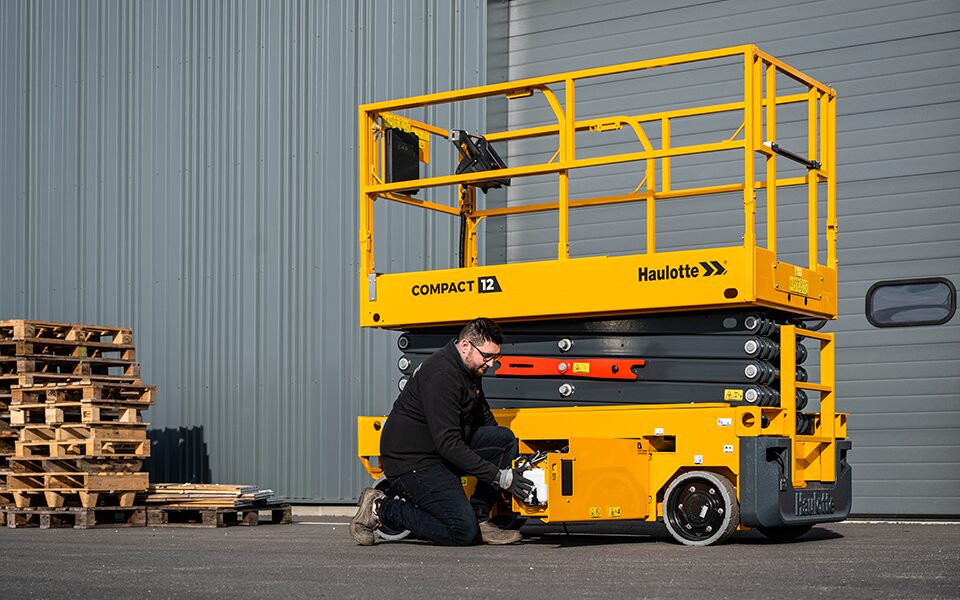
Mobile Elevating Work Platforms (MEWPs) are complex machines that are essential in the construction industry. Because safety comes first on job sites, regular inspections of construction and lifting equipment are mandatory. They prevent accidents and keep your equipment compliant with standards that keep evolving.
What is a periodic general inspection?
Periodic general inspections are a cornerstone of a quality and safety approach to equipment management. Their purpose is to identify and correct anomalies or malfunctions that could endanger operators or other workers. By checking the condition and conformity of your equipment, you:
- reduce the risk of accidents,
- protect the safety of your team and your customers,
- keep your operations running.
These inspections must be carried out by qualified professionals. Choosing an accredited external inspection body guarantees expertise and reliable results.
Standards and guidelines: what has changed
ISO 18893:2024
A major development in the industry is the introduction of ISO 18893:2024, which sets out safety principles and inspection, maintenance and operation requirements for MEWPs. It applies to new and in-service equipment and gives clear guidelines on:
- the selection and safe operation of MEWPs,
- inspection and maintenance protocols,
- the responsibilities of manufacturers, owners and operators,
- a framework for verifying compliance with safety standards.
The standard aims to reduce accidents, protect workers and set a benchmark for government regulations.
Major inspections
In addition to periodic inspections, the International Powered Access Federation (IPAF) stresses the importance of major inspections. They are crucial for machines nearing or exceeding their design life: they validate the structural integrity and the operation of critical components, so that the machine can continue to operate safely.
How is a periodic general inspection carried out?
The periodic general inspection of a MEWP has two main stages.
1. Visual examination
Before any operation, the inspector assesses the general condition of the machine:
- overall appearance (signs of corrosion or cracks, for example),
- chassis (wheels, protective parts, counterweight),
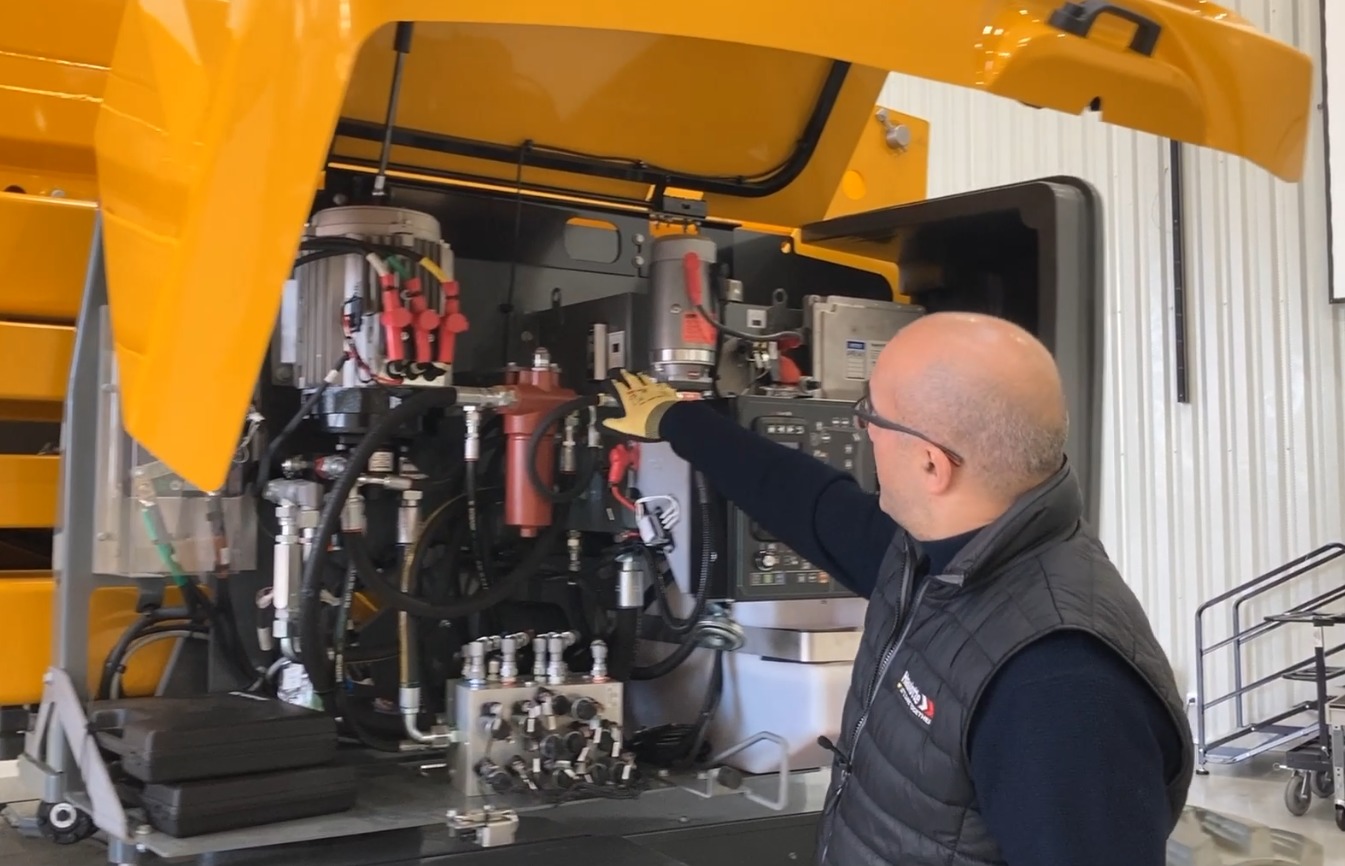
- power unit and control panel,
- hydraulic components such as cylinders, hoses and safety valves.
2. Functional tests
The inspector then checks that the machine works properly:
- controls, brakes and lighting,
- stability and load capacity,
- correct operation of all safety systems.
At the end of the inspection, a detailed report is issued. It must stay accessible with the machine. The equipment cannot be put into service until all the issues found have been resolved.
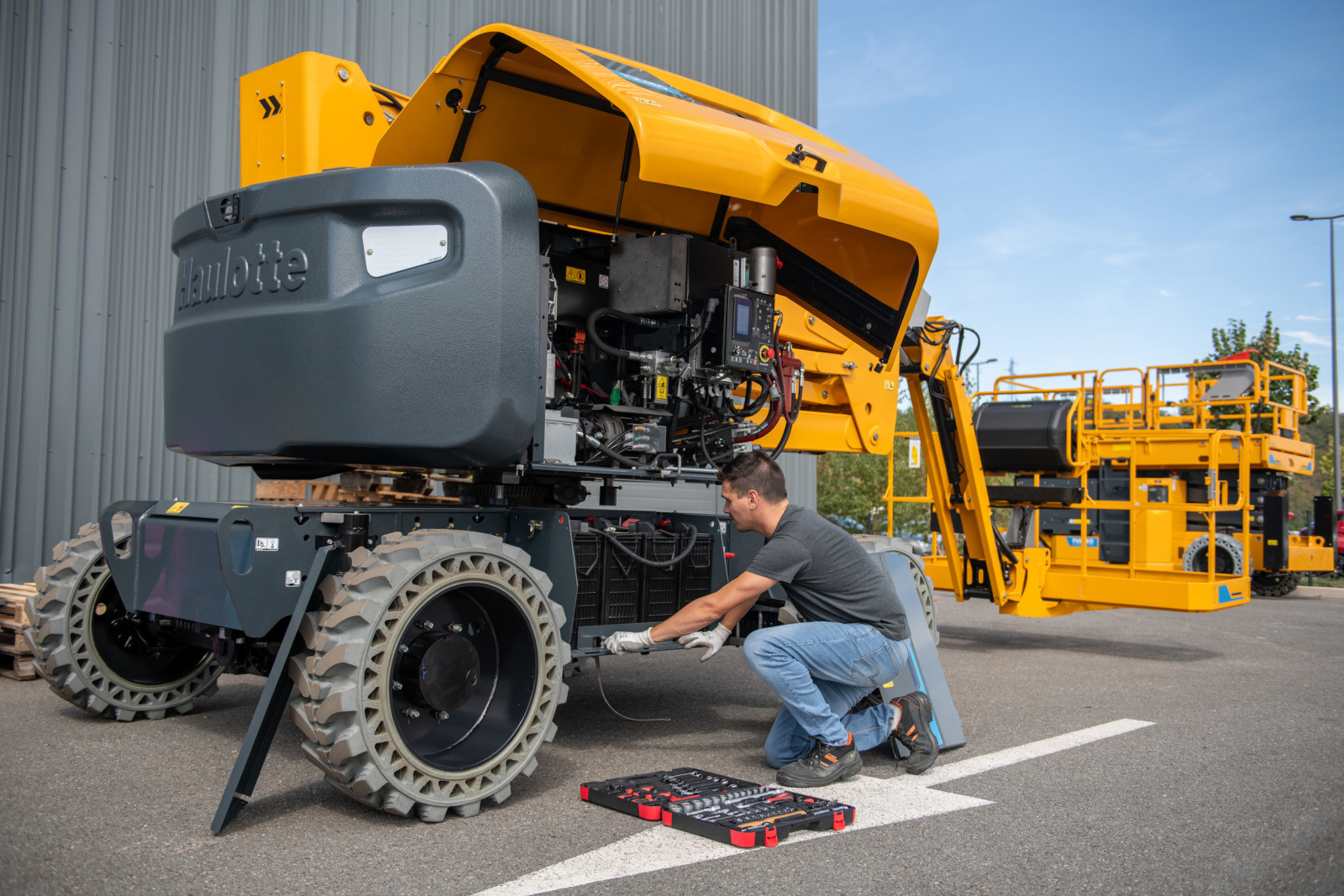
The 3 elements recommended by IPAF to keep a MEWP safe throughout its life
- Pre-use inspections: Carried out by competent operators before each use.
- Scheduled servicing and maintenance: Following the MEWP manufacturer's guidelines.
- Periodic inspections: To ensure ongoing compliance and safety.
How often are periodic general inspections required?
The frequency of periodic general inspections depends on local regulations. For example:
- France: every 6 months,
- United States: a maximum interval of 13 months, under ANSI standards.
Inspections are also mandatory after major repairs, and when equipment is put back into service after a period of inactivity.
Why these inspections are essential
Periodic general inspections, together with compliance with ISO 18893:2024, limit risks, prevent accidents and ensure the long-term reliability of MEWPs. However crucial they are, they do not replace the maintenance schedules recommended by manufacturers.
By aligning your practices with the latest standards and taking a proactive approach to equipment safety, you can meet the challenges of today's construction industry while putting the well-being of your teams first.


